Funnel Analysis
Analysing products commonly bought together
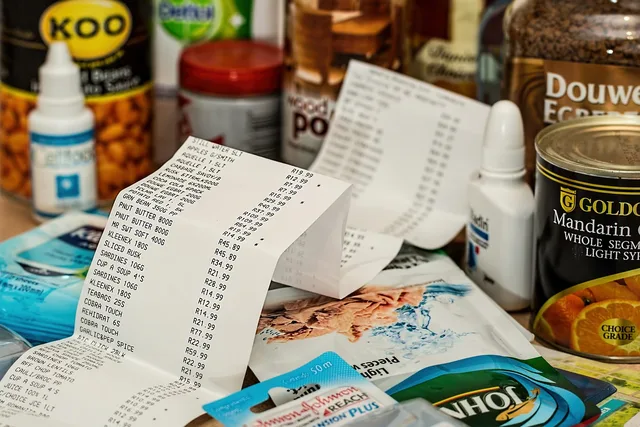
Count product pairs in qualifying orders, compare directional rates and shortlist useful combinations for a measured trial.

Author
Subject: Ecommerce analytics and measurement. What needs to be clarified before choosing an approach? Background, definitions and the interpretation of available information belong to this editorial remit. Olivia Smith is the editorial byline assigned to this area. The emphasis is on useful distinctions rather than a universal recommendation. This is an editorial pen name used by the publication, not a claim of an independently verified personal identity.
Funnel Analysis
Count product pairs in qualifying orders, compare directional rates and shortlist useful combinations for a measured trial.
Revenue Analytics
When several platforms claim credit for one order, adding their reported revenue can exceed the store's actual sales.
Data Quality
Compare observed experiment units with the planned split, trace where imbalance begins and decide whether the store-test result can be used.
Data Quality
Audit item IDs from product view through purchase. Find parent and variant switches, missing IDs and catalogue mapping changes.
Measurement Planning
Choose store-test guardrails from plausible harms, with the right denominator, timing, data source and response rule.
Measurement Planning
Choose ecommerce metrics by linking each business decision to a counting unit, comparison, owner and action.
Funnel Analysis
Assign customers from their first-order products and compare observed value at the same age without hiding multi-item orders.
Measurement Planning
Compare issued variant forecasts with qualifying orders, flag stock-constrained periods and read forecast errors within their limits.
Funnel Analysis
Compare funnel progression across devices and traffic sources while keeping segment definitions, source scope and cross-device limits clear.
Attribution
Define buyer groups, use equal follow-up windows and interpret repeat purchasing without mistaking selection for a promotion effect.
Event Tracking
Define qualifying purchases, processed refunds and repeat customers with clear order, timing and identity rules.
Funnel Analysis
Define shopping funnel stages and counting rules, then use stage gaps to guide investigation without mistaking them for checkout failures.
Attribution
Structure a customer value report around recorded orders, comparable observation windows, clear amount rules and visible limitations.
Measurement Planning
An ecommerce dashboard should help a team decide what to do today and explain what happened after the numbers settle. Start with decisions, definitions and data …
Data Quality
Check the definitions, completeness, consistency and freshness of ecommerce data before using store reports to make decisions.
Event Tracking
Define ecommerce event triggers, item and order IDs, purchase rules and checks before relying on store reporting.
Measurement Planning
Plan an ecommerce experiment around a clear decision, eligible shoppers, one primary outcome, guardrails and a trustworthy result.
Revenue Analytics
Read store revenue and margin together by defining eligible orders, discounts, reversals, cost coverage and reporting dates.
Measurement Planning
Reconstruct observed customer value from qualifying orders, a fixed time window, later adjustments and the original entrant count.
Revenue Analytics
Screen high-selling products for weak margin using comparable retained sales, dollar profit, cost coverage and adjustment dates.
Revenue Analytics
Understand how gross product sales become net sales, with checks for discounts, reversals, tax, delivery, order status and dates.
Measurement Planning
Define a completed purchase, resolve customer identities and assign first-purchase cohorts without confusing first-order date with payment confirmation.
Data Quality
Separate short follow-up, missing earlier orders, uncertain identity and unsettled adjustments in customer-value reports.
Attribution
The cheapest first order is not necessarily the best acquisition.
Revenue Analytics
Define and count observed unavailable-variant actions while keeping later purchases and unobserved demand separate from lost sales.
Measurement Planning
Protect ecommerce trends during an analytics migration with saved definitions, overlap checks and clearly labelled breaks.
Event Tracking
Control repeated purchase tracking with one order milestone, stable transaction IDs and coordinated sends; trace where duplicates begin.
Measurement Planning
Compare product interest, purchases, retained sales, margin and physical returns with clear units, time periods and cost coverage.
Measurement Planning
Assess an ecommerce promotion through retained sales, contribution, customer and product effects, and an estimate of demand without the offer.
Revenue Analytics
Calculate observed cohort value per original customer, compare equal follow-up windows and separate recorded sales from projected spend.
Data Quality
Reconcile GA4 purchase value with store orders by aligning the order population, revenue metric, discounts, refunds, currency and dates.
Revenue Analytics
Calculate contribution from retained product sales, product cost and other variable costs while showing return treatment and missing-cost coverage.
Data Quality
Review who can view or export identifiable store data, check effective permissions and record a decision for each grant.
Data Quality
A report without an update time can make yesterday’s incomplete data look final. Show when each source was last processed and whether the current period may still change.
Revenue Analytics
Read variant orders alongside orderable time and saleable stock before making replenishment, transfer or range decisions.